Understanding Gen Z—the generation of digital natives born between 1997 and 2012—is key to navigating today’s landscape. Having grown up with smartphones and social media as the norm, their approach to information, communication, and authenticity is distinct.
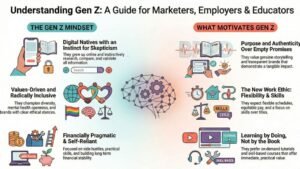
To effectively engage with Gen Z in marketing, content, or the workplace, recognize that technology is not an add-on for them; it’s a seamless part of their identity. Successfully connecting requires a genuine grasp of their motivations and the digital-first lens through which they see the world.
Gen Z Meaning and Core Characteristics
Gen Z’s identity is defined by traits, not just an age range. Known for being practical and self-reliant, their worldview was formed during times of economic and global uncertainty. This leads them to prioritize job stability, continuous learning, and long-term planning over short-lived rewards.
Key characteristics include a strong commitment to individuality and inclusivity. Gen Z is the most diverse generation yet and actively advocates for representation. They also approach mental health with notable openness, discussing well-being without the taboo that silenced past generations. This values-driven perspective influences all their interactions, from the content they support to the companies they trust.
Understanding the Gen Z Mindset: Skepticism, Skills, and Side Hustles
The Gen Z perspective is defined by informed skepticism. Growing up online, they instinctively research, compare, and validate information. This makes them highly resistant to traditional advertising, gravitating instead toward transparent messaging and genuine testimonials.
A major focus of this mindset is practical financial growth. Many are proactively educating themselves on investing, freelancing, and digital entrepreneurship from a young age. This drive explains the massive rise in side hustles and skill-based platforms. Ultimately, Gen Z views career security as the ability to adapt and generate income independently, not through long-term tenure at a single job.
Key Motivators for Gen Z: Values Over Empty Promises
The driving forces for Gen Z are rooted in their strongest values. Purpose and Meaning top the list. They seek to invest their time in work and brands that demonstrate clear ethics and social responsibility, making a tangible impact.
Authentic Connection is equally critical. This generation values genuine storytelling and transparent communication, easily seeing through disingenuous marketing. This preference for realness explains their deep engagement with creator-led platforms like YouTube and TikTok.
A strong desire for Flexibility and Balance also motivates their choices. Inflexible schedules and traditional corporate structures are major demotivators. Instead, they are inspired by cultures that support well-being, remote collaboration, and lifelong learning.
The Gen Z Work Ethic: It’s Not Your Parents’ 9-to-5
Forget what you know about “paying your dues.” For Gen Z, work is a gig, not a life sentence. They clock in expecting open communication, equitable compensation, and a clear path to learn more. Think skills over titles, coaches over bosses, and project-based teamwork over rigid corporate structures.
You’ll rarely see a straight-line resume. Instead, it’s a mosaic of side hustles, freelance projects, and creative ventures. This isn’t a phase—it’s the new normal. Any employer or institution that doesn’t get on board will struggle with disengagement and a constant talent drain. The future of work is flexible, and Gen Z is already building it.
The Gen Z Guide to Learning: Why Tutorials Beat Textbooks
Let’s be real: Gen Z learns by doing. They want skills they can use now, not just theory for later. Where do they go? Straight to YouTube tutorials, skill-based courses, and blogs that get to the point. If your educational content is clear and authentic, you’ve got their attention.
Let’s Get Real: You Can’t Afford to Ignore Gen Z
Think of Gen Z as the cultural and economic weather system for the next few decades. Their preferences will define what’s successful. For businesses, educators, and creators, figuring them out isn’t a niche strategy—it’s essential for staying relevant.
Let’s Wrap This Up
At the end of the day, Gen Z asks for two simple things: be real, and be useful. Their perspective is built on real-world challenges, their motivation comes from meaning, and they have zero tolerance for foggy intentions.
“Understanding” them comes down to action: updating old playbooks, ditching the jargon, and creating content that matters. Do that, and you won’t just reach this generation—you’ll earn a partner in shaping what comes next.
About The Author